


Backing Disabled Students: Taking the Conversation to Parliament
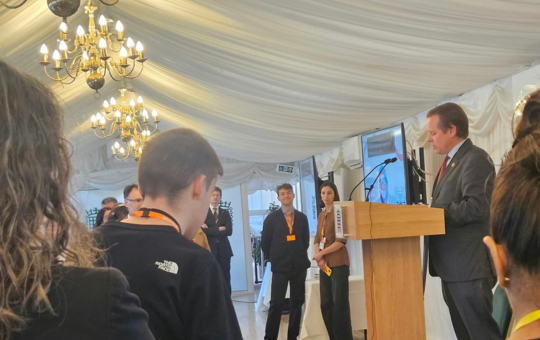
On 4 November 2026, I had the privilege of joining the British Assistive Technology Association (BATA) for a breakfast event at the Houses of Parliament. It was a fascinating morning, bringing together students, parliamentarians and organisations to highlight the importance of Disabled Students’ Allowance (DSA) and the difference that specialist assistive technology and human support can make.
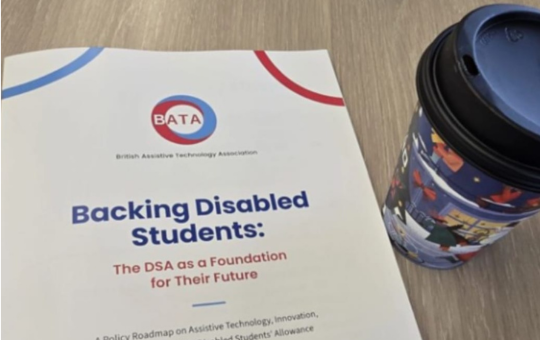
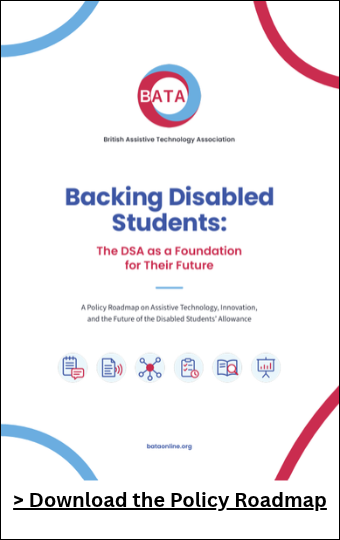
As a member of BATA’s DSA Special Interest Group (SIG), I have previously contributed to discussions about proposed changes to DSA. These conversations helped inform the development of a policy roadmap, Backing Disabled Students: The DSA as a Foundation for Their Future.
The event provided an opportunity to take these discussions to Parliament, share the roadmap with policymakers and make the case for protecting and strengthening support for disabled students.

Why individual support matters
One of the key messages from the morning was that support must start with the individual. Disabled students do not all face the same barriers, and a single tool or approach cannot meet everyone’s needs.
Throughout the event, speakers highlighted the importance of protecting access to the support that enables disabled students to participate fully in higher education. This means understanding the challenges each student faces and ensuring they have the right combination of technology, training and practical support to help them succeed.
Innovation was also an important part of the discussion, but one message remained clear: the needs of disabled students must stay at the heart of any changes to DSA.
Technology and people belong together
Another important theme was the value of combining specialist technology with human support. Specialist software and equipment can make a huge difference, but so can the people who help students explore their options, develop their skills and learn to use technology with confidence.
At CENMAC, we believe this is central to the conversation about supporting disabled students. Young people need continued access to the support they rely on as they progress through education and work towards their ambitions. Training is essential to help them use assistive technology confidently and effectively, while one-to-one study skills support helps them develop strategies for independent learning.
Technology alone is not enough. The focus must remain on the learner, their individual needs and the support that will help them achieve their potential.
Listening to students and sharing experiences
The event featured contributions from Richard Quigley MP, Avery Greatorex from the National Union of Students and Ellen Broome from the British Dyslexia Association (BDA website).
A recurring message was that, while free, general-purpose software has its place, it also has limitations. These tools are designed for a broad range of users, whereas specialist assistive technology is developed to address specific barriers experienced by disabled people. Free alternatives should not automatically be considered a suitable replacement for specialist technology and support.
Protecting access to appropriate support through DSA is about much more than providing equipment. It is about opportunity, independence and ensuring disabled students can participate fully in education and beyond.
Hearing directly from students brought particular urgency to the discussion. Concerns about losing access to essential technology are not simply about completing assignments or meeting deadlines. They are about whether students can continue their studies, maintain their independence and pursue the futures they want.
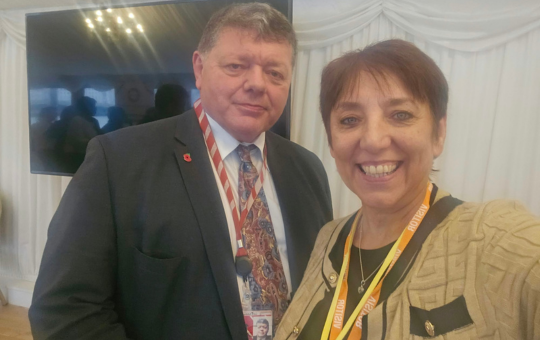
I also valued the opportunity to speak with parliamentarians, including Richard Quigley MP and Lord Addington, about the importance of protecting and strengthening DSA. These conversations helped bring the focus back to the people behind the policies and the real difference that appropriate support makes to their lives.
Looking beyond school
The discussion also explored the importance of continuity as young people move from school into further and higher education, apprenticeships and employment. Support should build on the progress young people have already made, rather than leave them facing new barriers every time they move into a different setting. The technology, skills and strategies that help someone succeed at school can continue to play an important role throughout their education and working life.
I left Parliament encouraged by the commitment and experiences shared during the morning, but also conscious of the importance of keeping disabled students’ voices at the heart of what happens next.
Protecting and strengthening DSA is about more than funding software. It is about backing young people’s ambitions and ensuring the right support is available when they need it.

BATA’s policy roadmap: a summary
For CENMAC families, school staff and practitioners, BATA’s policy roadmap raises an important question: How can young people retain access to the technology and support they need as they move into higher education and employment?
Backing Disabled Students: The DSA as a Foundation for Their Future makes the case for protecting and strengthening Disabled Students’ Allowance. BATA presents DSA as an investment in education, independence and future employment, rather than simply a way of funding equipment.
The central message is that successful support combines specialist technology, training, one-to-one assistance and appropriate adjustments, all matched to the individual student’s needs.
The roadmap sets out three key priorities for Government:
1. Protect, modernise and strengthen DSA
Preserve access to specialist assistive technology, training and support that meets individual needs. BATA argues that free or mainstream software should not be assumed to provide an adequate replacement for specialist solutions. It calls for evidence-led reform that considers the impact on students, educational outcomes and public services, alongside efficiency and value for money.
2. Support the innovation enabled by DSA
Recognise the role DSA plays in making purpose-built assistive technology available to students and supporting its continued development. BATA argues that a strong DSA system can encourage new solutions and innovation, with benefits that extend beyond university and into employment.
3. Develop an Assistive Technology Passport
Pilot a portable record, controlled by the individual, documenting their technology needs, recommended tools and effective adjustments. This could follow a person through school, further and higher education, apprenticeships and employment. It would help reduce the need for repeated assessments and make it less likely that essential support is lost during transitions.
Alongside these three priorities, BATA is calling on the Government to:
- Publish a full analysis of DSA’s financial returns to the Exchequer before making decisions about funding.
- Assess and publish the impact of any changes to specialist assistive technology on disabled students.
- Jointly pilot the proposed Assistive Technology Passport through the Department for Education and the Department for Work and Pensions.
- For families, school staff and practitioners, the message is particularly relevant: the tools, skills and support that help a young person succeed should provide a foundation for their next stage of life. They should not have to start again every time they move into a new educational setting or workplace.
These are BATA’s recommendations for future policy, rather than a description of changes already in place.
Find out more
To explore BATA’s recommendations in more detail, read the full policy roadmap and access the supporting resources on the BATA resources page.
Blog Author: Maureen De Longhi, CENMAC Advisory Teacher